// Facade Systems
Aluminum Panels for Facades
Extruded and formed aluminum cladding panels for rainscreen facades, curtain walls, and commercial building envelopes. Available in a wide range of profiles and finishes.
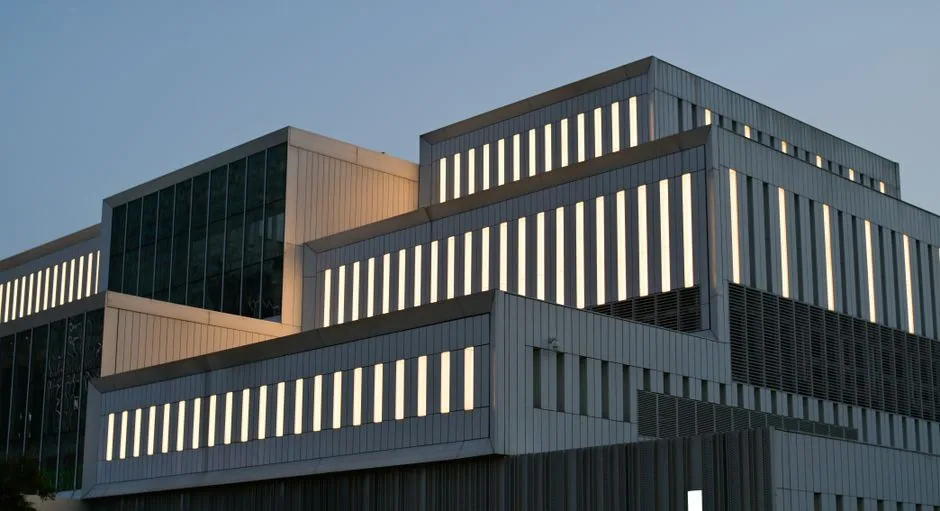
Aluminum cladding panels for modern facades
Aluminum cladding panels are the primary weather barrier and visual surface on a broad range of commercial, institutional, and high-end residential buildings. They combine a high strength-to-weight ratio with long-term finish durability, making them a practical choice wherever the building envelope must perform reliably across decades of exposure.
The defining characteristic of an aluminum panel facade is the separation between the panel skin and the structural wall behind it. This gap - the rainscreen principle - allows any water that penetrates the joints to drain by gravity rather than being driven inward by pressure differentials. The cavity also provides a path for vapor diffusion, reducing the risk of interstitial condensation within the wall assembly.
Panel types
Solid extruded panels
Solid aluminum panels are produced by extruding or rolling a single thickness of aluminum alloy into a flat or profiled sheet. They are dimensionally stable, non-combustible, and straightforward to fabricate. Typical thicknesses run from 2 mm to 4 mm depending on panel span and specified deflection limits. Flat panels suit contemporary facade designs; profiled options such as ribbed or corrugated sections add rigidity and visual relief.
Formed and cassette panels
Cassette panels are flat aluminum sheets formed at the edges to create a return flange, producing a tray or box shape. The flanges stiffen the panel face and provide attachment points for the clip system. Cassette formats accommodate larger panel areas than solid extruded profiles and are common on commercial tower facades.
Perforated panels
Punched or laser-cut aluminum panels introduce open areas in the panel face, enabling control of solar gain, privacy screening, and visual texture. Perforation ratios, hole geometry, and panel thickness are balanced to meet structural span requirements while achieving the desired acoustic or solar performance.
Finish options and durability
The service life of an aluminum facade panel depends largely on the coating system applied before installation.
PVDF (polyvinylidene fluoride) coatings meet AAMA 2605, the most demanding coating specification in North American practice. Two-coat or three-coat PVDF systems resist UV radiation, chalking, and color fade; well-formulated PVDF coatings are widely documented to retain color and gloss for 20-plus years in full sun exposure. They are the standard specification for high-rise buildings and projects in coastal or industrial environments.
Powder coat finishes meeting AAMA 2604 provide good UV and corrosion resistance at a lower cost point. They are widely used on commercial and institutional projects where a 15-year-plus finish life is acceptable.
Anodized finishes penetrate the aluminum surface rather than coating it, creating a hard, integrated oxide layer. Class I anodize (18 microns minimum) is specified for exterior applications where a metallic appearance is part of the design intent.
Installation and subframe systems
Aluminum panels attach to a secondary subframe of aluminum extrusions or hot-dip galvanized steel. The subframe is anchored to the primary structure and leveled independently of the wall behind, allowing the facade to be set plumb and true regardless of substrate tolerance variations.
Panels engage the subframe through concealed clips or hooks. No fasteners appear on the panel face. Horizontal and vertical joints are sized to allow thermal movement of the aluminum without transferring load to adjacent panels. Sealant is generally not used at field joints in a drained-and-back-ventilated rainscreen; instead, open joints are protected by cavity barriers and flashing at floor lines and penetrations.
Performance considerations for architects
When writing specifications for aluminum cladding panels, the following ASTM tests are commonly referenced:
- ASTM E330 - structural performance under positive and negative wind pressure
- ASTM E283 - air infiltration through the assembly
- ASTM E331 - water penetration resistance under static pressure
- ASTM E1677 - air leakage through installed panels
Panel size, thickness, and clip spacing are calculated from wind load data for the specific project site and building height. For high-rise applications, consultant review by a licensed facade engineer is standard practice in the United States.
Maintenance
Aluminum cladding panels require periodic washing to remove surface deposits. No repainting, sealing, or surface treatment is needed over the life of a properly specified and installed PVDF or powder-coated system. Individual panels can be removed and replaced without disrupting the surrounding facade.
// Keep exploring
More facade systems
Aluminum Soffits
Durable, low-maintenance aluminum soffits for residential overhangs, commercial canopies, and covered walkways. Weather-resistant profiles with a clean factory finish.
View product
Aluminum Wall Cladding
Aluminum wall cladding systems for commercial and residential exteriors. Rainscreen principles, concealed fixings, and long-service factory finishes.
View product
Aluminum Battens
Linear aluminum batten profiles for ventilated facades, feature walls, and architectural screening. Consistent spacing, clean sightlines, and durable factory finishes.
View product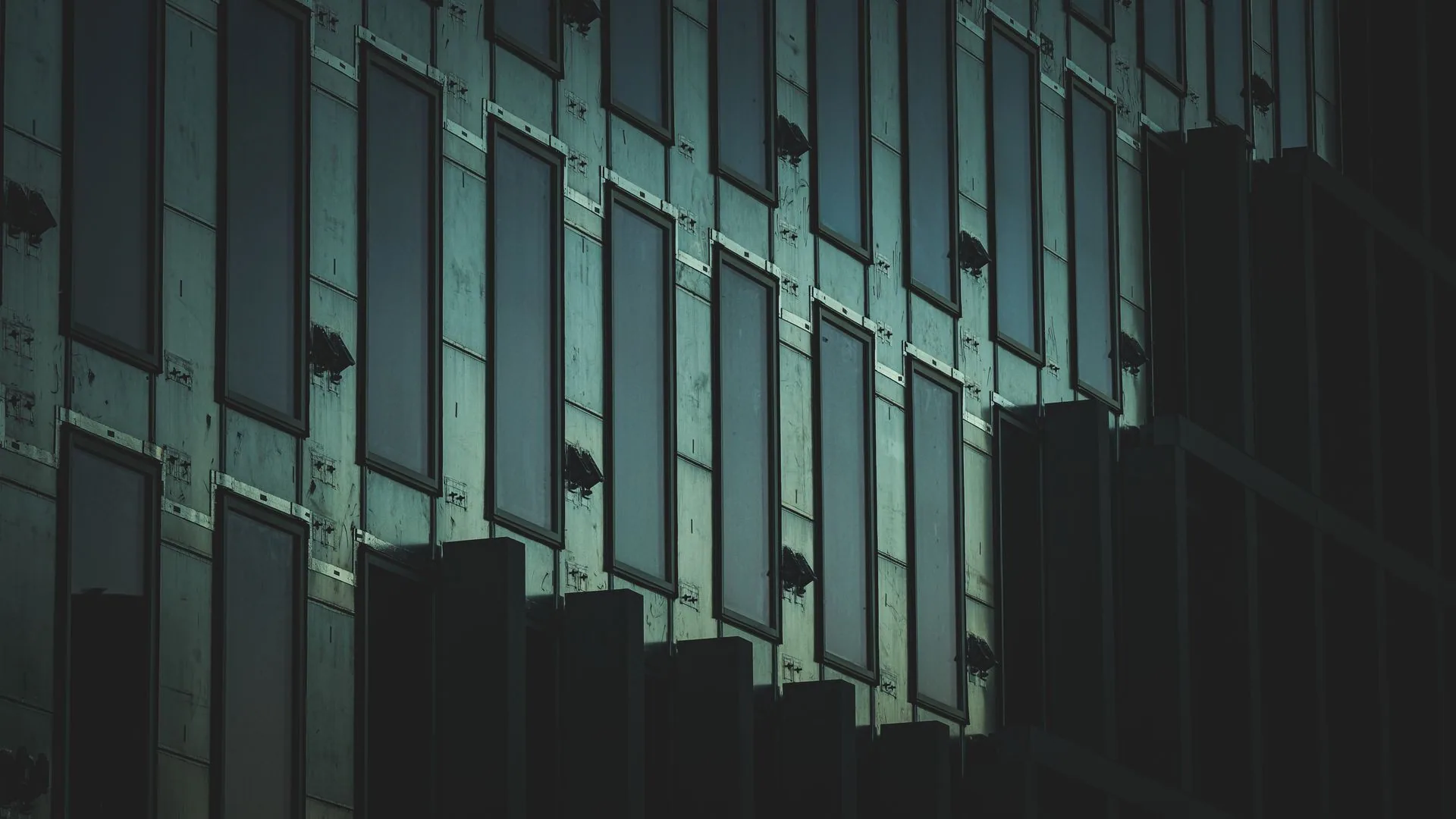
// Start a project
Spec aluminum panels for facades on your project
Tell us about your facade and we'll help with sizing, finish, and detailing.